
Whole Class, Small Groups, or Six Things at Once: Classkick Keeps Up
Whole class, small groups, self-paced centers, quiet differentiation. See who needs you without stopping the group or abandoning the room.


Whole Class, Small Groups, or Six Things at Once: Classkick Keeps Up
Part of the Any Classroom series: how Classkick fits the classroom you actually have.
Your teaching model changes by the hour. First period is whole-group direct instruction; by third you're running centers; somewhere in there a handful of students need a completely different version of the lesson, quietly, without a spotlight. The traditional cost of all that flexing is preparation: four versions of everything, and a photocopier with opinions.
How do you see a small group working without hovering over it?
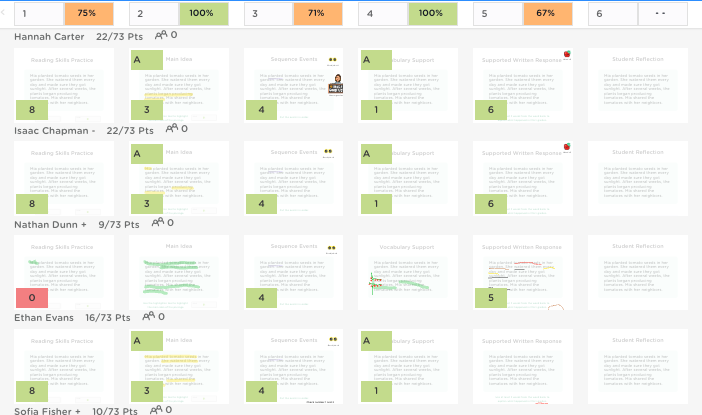
In Classkick you watch several students work simultaneously, live, in one view. You see who in the group needs you and who's ready to move on, without stopping the group to check and without abandoning the rest of the room to find out. The group time goes to teaching, not to status checks.
How do centers and rotations run themselves?
Self-paced assignments keep one group moving while you go deep with another. Because every station's work is visible from wherever you are, you can sit with your intervention group and still catch the moment station three goes off the rails, before it costs the whole rotation.
How do you differentiate without anyone noticing?
Set up shortened or adapted versions of the same lesson ahead of time (same activity, different paths) and assign them quietly. Nobody in the room knows who has which version. For students with IEPs, multilingual learners, and anyone who needs a different on-ramp, the support is built in rather than pointed at. In MTSS terms, this is Tier 1 work: differentiation inside the regular lesson, backed by live evidence of who needs what.
.png)
What does it add up to?
One tool that stretches from whole-group to one-on-one means less juggling for you, and every student getting what they actually need, seen and supported in real time. Groups get formed from evidence that's thirty seconds old, not last Friday's quiz.
"I've tried a few different products with my small groups, but none work as well as Classkick does with allowing customization, differentiation, or even supports for my students."
Sam, a teacher in Florida
However you group them, see them all
Start at the beginning of the series: Whatever Your Classroom Looks Like, Classkick Works →